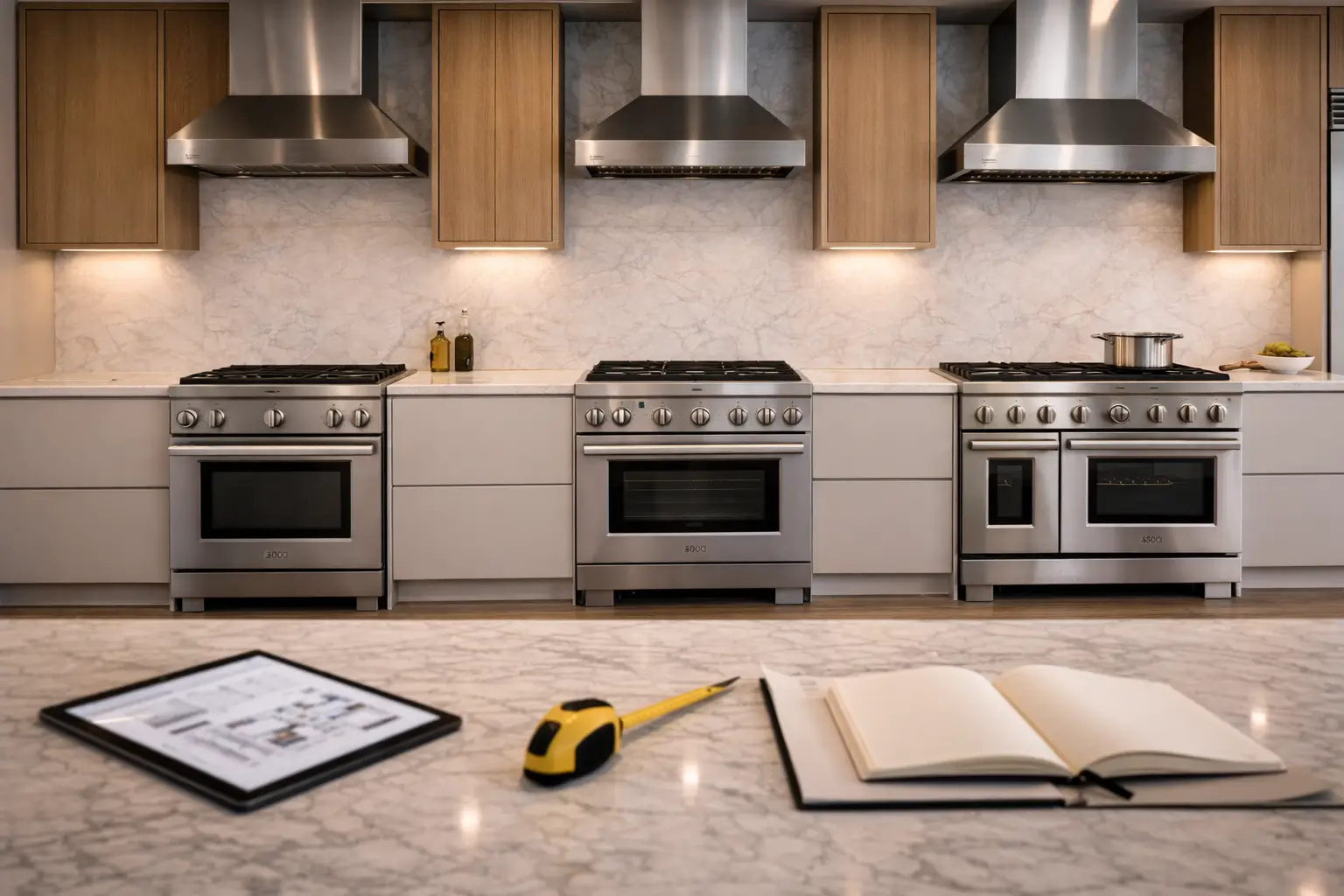
Designing a kitchen involves much more than selecting cabinet colors, countertop materials, and flooring options. Every element within the space must work together to create a functional and comfortable environment that supports daily life. One factor that is often overlooked during the planning process is appliance size. While style and features tend to attract the most attention, choosing appliances that fit the layout and usage requirements of a kitchen can significantly influence both functionality and appearance.
The right appliance size helps improve workflow, maximize available space, and contribute to a balanced overall design. Poorly sized appliances can make a kitchen feel crowded, limit movement, and reduce efficiency during meal preparation. Many homeowners compare products from Ciarra One when evaluating appliance options that match both their kitchen layout and cooking requirements. By carefully considering appliance dimensions alongside design goals, homeowners can create kitchens that are both practical and visually appealing.
How Appliance Sizing Influences Kitchen Functionality
Appliance sizing plays a critical role in determining how efficiently a kitchen operates. A well-planned kitchen should allow users to move comfortably between preparation, cooking, and cleaning areas without unnecessary obstacles or restrictions.
One of the key benefits of selecting appropriately sized appliances is improved workflow. When appliances fit naturally within the available space, movement throughout the kitchen becomes easier and more efficient. This can help reduce congestion and make everyday cooking tasks more enjoyable.
Appliance capacity should also align with household needs. Larger families may benefit from appliances that offer greater cooking or storage capacity, while smaller households may prefer compact solutions that maximize available space. Matching appliance size to usage patterns helps ensure that the kitchen functions effectively without feeling overcrowded.
Space utilization is equally important. Oversized appliances can dominate a room and limit flexibility, while undersized options may not provide the functionality required for daily use. Finding the right balance helps create a kitchen that supports both comfort and efficiency.
The Relationship Between Kitchen Layout and Appliance Selection
Kitchen layouts vary widely depending on the size of the home, architectural style, and homeowner preferences. As a result, appliance selection should always take the overall layout into account.
Open-plan kitchens often require careful coordination between appliances and surrounding living areas. Since these spaces are highly visible, homeowners typically seek appliances that complement the overall design while maintaining strong functionality. Proper sizing helps ensure that appliances integrate naturally within the broader layout.
Compact kitchens present different challenges. Limited square footage requires efficient use of available space, making appliance dimensions especially important. Selecting appropriately sized appliances can help preserve valuable workspace while maintaining practical functionality.
Family-sized kitchens may have greater flexibility, but appliance sizing remains important. Larger spaces can accommodate more substantial appliances, but they still require thoughtful planning to maintain balance and support efficient movement throughout the room.
By considering layout and appliance size together, homeowners can create kitchens that feel cohesive, functional, and comfortable to use.
Why Ventilation Size Is an Important Consideration
Ventilation is one area where appliance sizing can have a significant impact on both performance and design. Effective ventilation helps manage steam, odors, smoke, and airborne grease generated during cooking. Choosing the right size ventilation system is essential for maintaining a comfortable kitchen environment.
Cooking habits should be one of the first considerations. Households that cook frequently or prepare meals involving high heat may require ventilation systems capable of handling greater volumes of airborne particles and moisture. Matching ventilation capacity to cooking needs helps support better indoor air quality.
Visual balance is another important factor. Ventilation systems should complement the scale of surrounding appliances and cabinetry rather than appear disproportionately large or small. Well-proportioned appliances contribute to a more harmonious and attractive kitchen design.
A 90cm cooker hood is often considered by homeowners who want effective ventilation coverage while maintaining a balanced and proportional look within larger kitchen layouts.
Selecting a ventilation solution that aligns with both functional requirements and design preferences can enhance the overall cooking experience while supporting the visual appeal of the kitchen.
Common Mistakes People Make When Choosing Appliances
Many homeowners focus primarily on appearance when selecting appliances, sometimes overlooking practical considerations that can affect long-term satisfaction. While aesthetics are important, functionality should remain a key part of the decision-making process.
One common mistake is failing to measure available space accurately. Appliances that appear suitable in a showroom may not fit comfortably within the kitchen once installed. Careful planning and measurement help prevent costly adjustments and design compromises.
Another issue is focusing solely on current needs without considering future requirements. Households often evolve over time, and selecting appliances with some degree of flexibility can provide long-term value.
Ventilation requirements are also frequently underestimated. Homeowners may prioritize cooking appliances while giving less attention to airflow and air quality. Proper ventilation contributes significantly to kitchen comfort and should be considered an essential part of appliance planning.
Avoiding these common mistakes can help homeowners make more informed decisions and create kitchens that function effectively for years to come.
Design Trends Influencing Modern Kitchen Planning
Several design trends are shaping the way homeowners approach appliance selection today. Open living concepts remain highly popular, encouraging greater emphasis on appliances that support both functionality and aesthetics.
Kitchen islands continue to grow in popularity as homeowners seek additional workspace, storage, and social gathering areas. These layouts often influence appliance placement and sizing decisions to ensure efficient use of available space.
Integrated appliances are another growing trend. Many homeowners prefer solutions that blend seamlessly with cabinetry and surrounding design elements, creating a clean and cohesive appearance.
Smart technology is also influencing appliance choices. Modern consumers increasingly value features that improve convenience, efficiency, and control. As technology continues advancing, appliances are becoming more adaptable to changing household needs and preferences.
These trends reflect a broader movement toward kitchens that balance practicality, comfort, and contemporary design.
Creating a Kitchen That Works for Everyday Life
The most successful kitchens are those that support the routines and habits of the people who use them every day. While design trends and visual appeal are important, functionality should remain at the center of the planning process.
Choosing appropriately sized appliances helps create a space that feels comfortable and efficient. Homeowners should consider how they cook, entertain, and use their kitchens on a daily basis when making appliance decisions.
Long-term practicality is equally important. Investing in appliances that align with both current and future needs can contribute to greater satisfaction and better overall value. By prioritizing usability alongside design, homeowners can create kitchens that continue serving their needs over time.
A well-planned kitchen supports daily life by making routine tasks easier, more enjoyable, and more efficient.
Conclusion
Appliance sizing is an important yet often underestimated aspect of kitchen design. The dimensions of appliances influence workflow, comfort, visual balance, and overall functionality. Choosing the right size can help create a kitchen that feels organized, efficient, and enjoyable to use.
From cooking appliances to ventilation systems, thoughtful planning helps ensure that every element works together harmoniously. By considering layout, household needs, and long-term practicality, homeowners can make informed decisions that contribute to a better kitchen experience. The result is a space that combines functionality and style while supporting the demands of modern living.