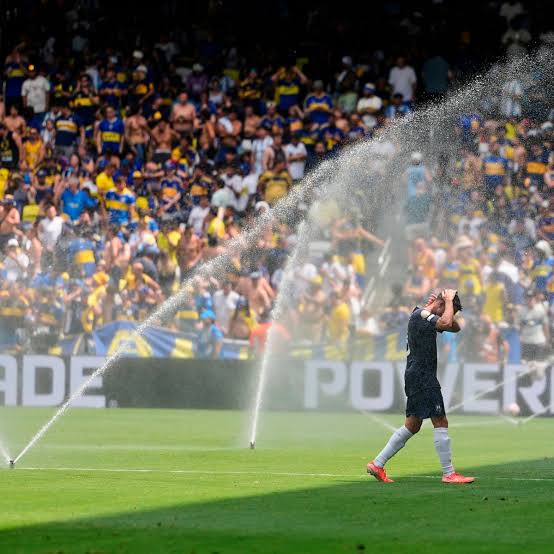
The decision to move the 2022 World Cup in Qatar from the traditional June–July slot to November–December was the clearest signal yet that extreme heat has become a scheduling variable, not just a background concern. As climate change drives more frequent and intense heat events in many potential host countries, every future World Cup forces organisers to weigh calendar tradition against player welfare, match quality, and the basic viewing experience of watching ninety minutes at full intensity. For fans who follow full matches, the question is not only when the tournament happens but how heat-driven decisions about month, kick-off time, and mandatory breaks reshape tempo, pressing and tactical risk from the first group game to the final.
Why Heat and Climate Now Sit at the Core of World Cup Scheduling
Research on recent and upcoming tournaments shows that extreme heat is no longer an occasional outlier but a predictable risk that must be built into planning. Studies modelling wet bulb globe temperature (WBGT)—a measure that factors temperature, humidity, radiation and wind—have found that most 2026 host cities in North America will regularly exceed thresholds at which football bodies recommend delaying, rescheduling or heavily modifying play, particularly in afternoon slots. When you tune into a World Cup match under these conditions, you are not just seeing tired legs; you are watching players who are physiologically limited by heat stress, which affects sprint capacity, concentration and decision-making, and therefore the tactical ceiling of what teams can actually execute.
How Heat Exposure Alters What You See on the Pitch
High heat exposure has a measurable impact on both physical and cognitive performance in footballers, with studies linking elevated core temperatures to reduced high-intensity running, slower reaction times, and greater fatigue-related errors. In match terms, that often translates into less aggressive pressing, more cautious defensive lines, and shorter attacking bursts, because players and coaches have to budget energy over ninety minutes and possibly extra time. As a viewer, you may interpret this as a “flat” or conservative game, but underlying it is a physiological cap that prevents teams from sustaining the kind of relentless pressing or end-to-end transitions that you might see in cooler conditions, which makes scheduling decisions directly relevant to tactical expectations.
What the Qatar 2022 Shift Taught Us About Changing the Tournament Window
The move to a winter World Cup in Qatar was a direct response to extreme summer temperatures that would have posed unacceptable health and performance risks. By shifting the tournament window, organisers effectively traded calendar disruption for a more stable on-pitch product, with cooler conditions allowing high-tempo matches and intense pressing phases that would have been impossible in peak summer. For viewers, that decision reshaped the entire context of watching: the month on the calendar changed, but the football itself retained the tactical richness and physical edge expected of a World Cup, underlining how powerful a scheduling lever the tournament date has become.
Conditional Scenarios: When Changing the Month Matters Most
The impact of shifting the World Cup month is most pronounced in hosts where summer WBGT routinely crosses thresholds at which governing bodies advise rescheduling or cancelling outdoor matches. In such environments, keeping a traditional June–July slot would almost guarantee extensive cooling breaks, reduced training load, and tactical compromises aimed at survival rather than domination, which fundamentally alters the style of football on show. In more temperate hosts, by contrast, adjusting kick-off times away from mid-afternoon and standardising hydration protocols may be enough to protect players while preserving the usual calendar, so the need to move the entire tournament window depends heavily on local climate profiles rather than a one-size-fits-all rule.
Watching “ดูบอลสด” When Hydration Breaks Become a Structural Feature
As heat risk has climbed, FIFA and player unions have leaned more heavily on formal hydration and cooling break rules, moving from ad hoc pauses to standardised policies that apply even when conditions are not extreme. When you watch ดูบอลสด under these frameworks, those mid-half breaks become part of the tactical landscape: they offer coaches mini-intervals to reset pressing schemes, adjust build-up patterns, or tweak marking assignments, and they also give exhausted players a chance to recover enough to attempt short, high-intensity bursts after play resumes. Over a full tournament, learning to read how teams use these enforced pauses—whether they rehearse set-piece routines, change pressing triggers, or simply slow the game—can sharpen your understanding of how environmental constraints and scheduling choices interact with on-pitch strategy in real time.
How New Hydration Rules Shape Match Rhythm and Tactical Choices
For 2026, FIFA has introduced mandatory three‑minute hydration breaks midway through each half of every match, regardless of weather conditions, formalising what were previously temperature-based interventions. This standardisation means that every World Cup game now has predictable pauses that coaches can plan around, which in tactical terms resemble built-in timeouts: they allow teams to script when to press hardest, when to conserve energy, and when to roll out pre-planned adjustments. From a viewing perspective, the rhythm of matches shifts from a continuous 45‑minute arc to something closer to two 20‑minute blocks plus stoppage time, so you can expect more deliberate waves of intensity around those breaks and should watch carefully for patterns in how teams attack immediately before and after them.
Table: Heat, Scheduling Options, and What Viewers See
To understand how climate and scheduling intersect with tactical viewing, it helps to map different organiser responses—keeping the month, changing kick-off times, or shifting the tournament window—against their likely on-pitch and viewing effects. The table below summarises these options so you can connect broad climate debates to concrete differences in match tempo, intensity and readability when you sit down to watch.
| Scheduling response to heat | Primary organiser goal | What you see tactically as a viewer |
| Keep traditional month, add hydration breaks and cooling rules | Protect players while preserving calendar tradition | More structured pauses, tactical “mini timeouts”, but potentially flatter pressing and more conservative risk-taking in peak-heat matches |
| Keep month but move kick-offs to evenings | Reduce WBGT exposure at match time without changing dates | Higher intensity and more sustained pressing, with fewer extreme-heat slowdowns, though training loads still constrained by daytime conditions |
| Shift tournament to cooler months | Maximise health and performance even if club calendars are disrupted | Matches closer to “ideal” tactical conditions, with full-throttle pressing, higher tempo transitions, and fewer heat-driven tactical compromises |
For fans, this comparison shows why debates about the World Cup month are effectively debates about the ceiling of football you will see: as organisers move along this spectrum, they trade calendar convenience and tradition against the quality and intensity of the matches themselves. Paying attention to which option a host nation and FIFA choose before a tournament will help you calibrate your expectations for pressing, tempo and late-game chaos before the first ball is kicked.
Practical Checklist: Reading Heat and Scheduling While You Watch Live
Because climate and scheduling decisions are baked into the match you see, it helps to approach heat-affected World Cup games with a simple checklist that ties environmental conditions to tactical interpretation. Using these steps while you watch can make temperature and timing feel like part of your analysis rather than background noise.
- Before kick-off, note the local time, host city, and reported temperature or heat index to frame how likely it is that heat will affect pressing, tempo and substitution patterns.
- In the first 15–20 minutes, watch whether both teams attempt their usual high press or immediately adopt a more compact, mid-block shape, which can signal heat-conscious game plans.
- At the mid-half hydration break, look for how coaches use the pause: do they huddle players to adjust pressing triggers or rest shapes, or do they focus mainly on cooling and recovery, hinting at fatigue concerns?
- Around the 60th minute, track the intensity and frequency of sprints and counter-attacks; a sharp drop often indicates that heat is forcing teams into slower, possession-heavy football.
- After full time, compare your perception of match intensity with post-match comments and any available heat data to refine your sense of how strongly conditions shaped the tactical choices you observed.
Using this routine over a full tournament helps you separate matches where tactical caution reflects coaching philosophy from those where environmental constraints leave both teams operating below their usual physical and strategic ceiling. Over time, that awareness makes climate and scheduling feel like integral parts of your ดูบอลสด changy analysis toolkit rather than external factors you only notice when a broadcaster mentions the temperature.
Summary
In a warming climate, World Cup scheduling is no longer a fixed tradition but a tactical variable that shapes how much intensity, pressing and risk you can realistically expect when you sit down to watch. Organisers now juggle three main levers—tournament month, kick-off time and hydration protocols—and each choice leaves a distinct fingerprint on match rhythm, from scripted mid-half pauses to the feasibility of sustained high pressing in late stages. Whether future World Cups shift months again will depend on how willing football is to trade calendar stability for peak performance, but for viewers, understanding that trade-off is already essential to reading what you see on the pitch game after game.