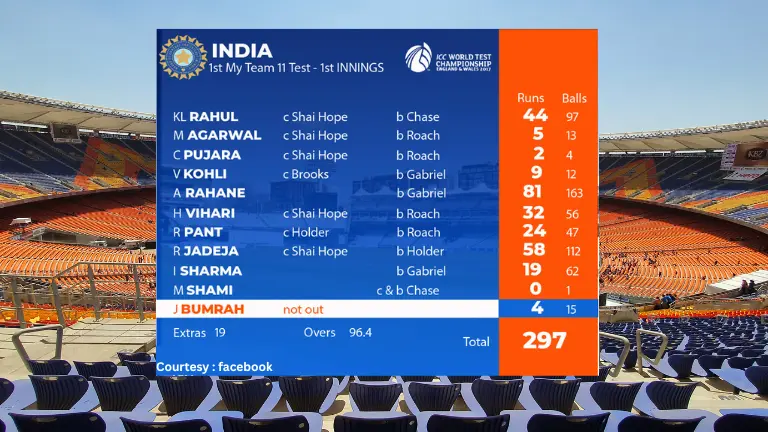
That small strip of numbers tells you far more than a commentator can fit into a sentence. Start with the cor№e: runs and wickets. If you see 146/4, the batting side has 146 runs with four players out; the next pair at the crease must balance risk and calm. The second read is overs, shown as 16.3 – that means 16 overs and 3 balls have been bowled (each over has six balls). In the first innings, you use those numbers to sense where the total might finish; in a chase, you measure runs left against balls left. Add the ground basics: a fast outfield makes 1s turn into 2s and keeps the board moving; a slow surface rewards tight lines and leaves batters hunting gaps. Once you can read runs/wickets/overs without thinking, everything else falls into place.
Run rate vs required run rate – seeing the chase unfold
Two numbers shape the mood during a pursuit: run rate (RR) and required run rate (RRR). RR is the pace the batting side is scoring at right now (runs per over so far). RRR is what they need from this point on to reach the target. When RR stays above RRR, the chase feels steady; when RRR climbs ball by ball, you can sense pressure building even before a wicket falls. Boundaries drag RRR down quickly; dot balls push it up at once. If you want a clean, plain-English primer you can keep on your phone while you watch, many cricket betting sites lay out RR and RRR in an uncluttered view so you can track the chase without drowning in extras. A handy habit: check RR vs RRR at the end of every over and note which way the gap moves.
Overs and phases that change risk
White-ball cricket breathes in three parts that the board mirrors even without a banner. Powerplay brings fielding limits, so scoring often lifts – but edges carry to catchers, and a small collapse can set a tough tone. Middle overs are about control: rotating strike, milking singles, and choosing safe shots. Here, steady 7–8 an over with wickets in hand can still set up a strong finish. Death overs flip the risk again: yorkers, slower balls, and riders on the rope invite lofted hits. On a flat pitch, a set batter can pull 14–18 in two overs and drag RRR down fast; on a gripping surface, 8–10 with smart running might be enough. Watch how captains save overs from their best end-game bowlers; the board shows this as unused overs next to their names – think of those as the field’s “final say.”
Wickets in hand and partnerships – the real safety net
The board tells you who is set without a long story. Look at balls faced and partnership runs. A stand of 58 off 45 says control; both batters see the ball well and keep the field honest. Lose one set batter and shapes change at once: catchers sneak in, singles dry up, and RRR creeps up even with no dots because a new player needs time to settle. In first innings, watch the last five overs ticker. If the side reaches the final phase with wickets in hand, expect a late push; if they limp there at 6–7 an over with a new pair, even 160 can feel like work. The key is simple: the more wickets left when the board hits the last four overs, the braver the shot map can be.
Bowlers, extras, and little numbers that swing momentum
A bowler’s economy (runs per over conceded) and dot-ball count show control. A spell like 3-0-14-1 after the powerplay tells you the field owns the pace. Track overs left for the best bowlers; skippers often hold two for the finisher. The board will list them, and you can forecast tight overs before they start. Also note extras – a no-ball with a free hit or a pair of wides can flip an over from quiet to lively and pull RRR back into reach. On turning tracks, a spinner bowling into the breeze with men around the bat can build dots that matter more than one highlight six. You do not need a model to feel this; the board moves in real time and rewards the watcher who ties numbers to the shot they just saw.
- End of every over: read score / wickets / overs, then compare RR vs RRR
- Mark the phase (powerplay, middle, death) and ask what it rewards this minute
- Check who is set (balls faced, strike rate) and how many overs the best death bowlers still hold
- Watch for extras spikes (wides, no-balls) and sudden dot clusters – both change momentum fast
- Decide your one-liner: “On track with wickets” or “RRR rising, one wicket from a slide” – and see if the next over confirms it
Link a handful of live numbers to what your eyes see, and the match reads itself. You’ll know why a captain moves a rider square, why a set batter farms strike, and why a tidy over at the right time can bend a chase. From there, the board stops being a blur of digits and turns into a clear story you can follow ball by ball.