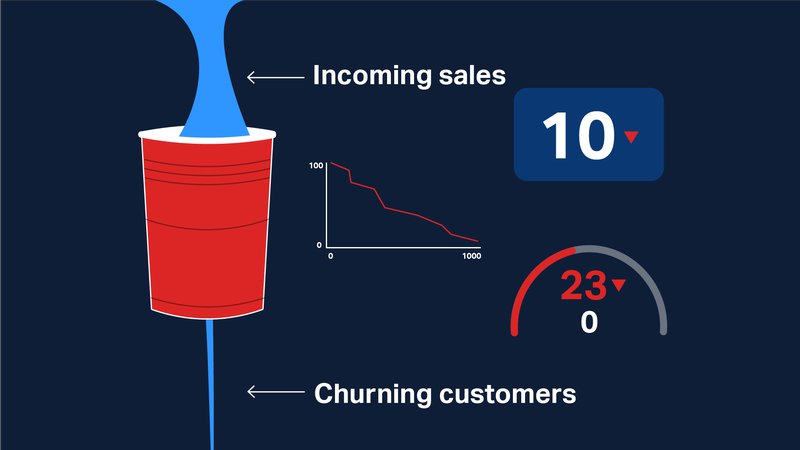
Customer retention has become one of the most important pillars of modern business success. While many companies focus heavily on acquiring new customers, the real long-term profitability often comes from retaining existing ones. A loyal customer base reduces marketing costs, stabilizes revenue, and creates predictable business growth. On the other hand, customer churn can silently destroy even a fast-growing company if it is not managed properly.
Churn refers to the percentage of customers who stop using a company’s products or services over a given period. High churn means that customers are leaving faster than they are being replaced, which forces a business into a constant cycle of expensive acquisition efforts.
Whether you are running a startup, managing a service-based firm, or offering company secretarial services to corporate clients, customer retention is essential for sustainable growth. In fact, in professional service industries, retention is often even more important because long-term contracts and recurring relationships form the backbone of revenue.
This guide explores practical and strategic customer retention methods that reduce churn and help businesses build long-lasting customer relationships.
Understanding Why Customers Leave
Before improving retention, businesses must understand why customers leave in the first place. Customer churn is rarely caused by a single issue. Instead, it is usually the result of multiple small frustrations that accumulate over time.
Some customers leave because they feel they are not receiving enough value. Others leave due to poor communication, slow response times, or better offers from competitors. In service-based industries like company secretarial services, churn may also occur when clients feel compliance support is inconsistent or not proactive enough.
Understanding these root causes is essential because retention strategies must address real problems rather than assumptions.
Delivering a Strong First Impression
The customer journey begins at the very first interaction. A strong onboarding experience is one of the most effective ways to reduce churn early in the relationship.
When customers sign up for a service, they expect clarity, structure, and immediate value. If they feel confused or unsupported at the beginning, they are far more likely to disengage later.
For businesses providing company secretarial services, onboarding may include explaining compliance timelines, documentation processes, and communication channels. A structured onboarding experience builds confidence and reduces uncertainty.
First impressions shape long-term perception, making onboarding a critical retention tool.
Building Trust Through Consistency
Trust is the foundation of customer retention. Without trust, even the best products or services will struggle to retain clients.
Consistency plays a major role in building trust. Customers want predictable results, reliable communication, and stable service quality. Inconsistent experiences create doubt, which eventually leads to churn.
For example, in company secretarial services, clients rely on timely filings, accurate documentation, and regulatory compliance. Any inconsistency in these areas can quickly damage trust and increase the risk of losing clients.
Businesses that prioritize consistency naturally experience lower churn rates because customers feel secure in their relationship.
Proactive Communication and Engagement
One of the most common reasons customers leave is lack of communication. When customers feel ignored or unsupported, they begin to lose interest and trust.
Proactive communication involves reaching out to customers before problems arise. This can include updates, reminders, progress reports, or helpful insights.
In professional industries such as company secretarial services, proactive communication is especially important because clients may not always be familiar with regulatory changes or compliance requirements. Keeping them informed builds authority and confidence.
Businesses that communicate regularly tend to retain customers longer because they create a sense of ongoing partnership rather than transactional interaction.
Delivering Continuous Value
Retention depends heavily on perceived value. Customers stay when they feel they are consistently benefiting from a service or product.
Continuous value delivery means improving or enhancing the customer experience over time. This can include offering additional services, improving processes, or providing educational support.
In company secretarial services, continuous value may come in the form of compliance updates, governance advice, or streamlined reporting systems that make business operations easier for clients.
When customers feel that their provider is actively contributing to their success, they are far less likely to leave.
Improving Service Responsiveness
Speed and responsiveness are critical factors in customer satisfaction. Slow responses often lead to frustration, especially when customers are dealing with urgent issues.
A responsive support system helps customers feel heard and valued. It also reduces the likelihood of problems escalating into dissatisfaction.
In industries like company secretarial services, timely responses to regulatory questions or filing issues are essential. Delays in communication can create compliance risks, which directly impact customer trust.
Improving responsiveness is one of the simplest yet most effective ways to reduce churn.
Understanding Customer Expectations Clearly
Many businesses lose customers not because they fail to deliver, but because expectations were never clearly defined in the first place.
When expectations are unclear, customers may assume a higher level of service than what is realistically provided. This gap leads to disappointment and eventually churn.
Setting clear expectations from the beginning helps prevent misunderstandings. This includes defining service scope, timelines, responsibilities, and limitations.
For example, company secretarial services must clearly outline what is included in their service package to avoid confusion and ensure alignment with client expectations.
Clear expectations create smoother relationships and higher retention rates.
Personalizing the Customer Experience
Customers are more likely to stay with businesses that treat them as individuals rather than generic accounts. Personalization improves engagement and builds emotional connection.
This can include tailored communication, customized service recommendations, or industry-specific solutions.
In company secretarial services, personalization might involve adapting compliance strategies based on the client’s industry, business size, or jurisdiction.
When customers feel understood, they are more likely to remain loyal over time.
Identifying Early Signs of Churn
One of the most effective retention strategies is identifying at-risk customers before they leave. Churn rarely happens suddenly; it usually develops gradually through reduced engagement or satisfaction.
Early warning signs may include slower communication responses, reduced service usage, or fewer interactions with the business.
By tracking these signals, companies can intervene early with targeted support or engagement efforts.
For company secretarial services, early signs might include delayed responses from clients or reduced participation in compliance processes. Addressing these signals quickly can prevent long-term loss.
Strengthening Relationship Management
Strong customer relationships are one of the most reliable ways to reduce churn. Customers who feel personally connected to a business are less likely to switch to competitors.
Relationship management involves regular communication, understanding customer needs, and providing ongoing support.
In service-based industries, this is especially important because clients are not just buying a product but a long-term partnership.
Company secretarial services often rely heavily on trust-based relationships, making consistent relationship management essential for retention.
Improving Service Quality Continuously
Service quality directly impacts customer satisfaction and retention. Businesses that fail to improve over time risk losing customers to more innovative competitors.
Continuous improvement may include refining internal processes, adopting new technologies, or improving training systems.
In company secretarial services, maintaining high accuracy, efficiency, and compliance standards is critical for long-term client retention.
Customers expect their service providers to evolve and improve, not remain static.
Handling Complaints Effectively
Complaints are not just problems; they are opportunities to improve retention. How a business handles complaints often determines whether a customer stays or leaves.
Effective complaint handling involves listening carefully, responding quickly, and resolving issues fairly.
Customers are more likely to stay loyal when they feel their concerns are taken seriously.
In company secretarial services, handling compliance errors or communication issues professionally can significantly strengthen client trust.
Building Long-Term Value Perception
Customers stay when they believe the long-term value of a service outweighs its cost. Value perception is not only about pricing but also about convenience, reliability, and peace of mind.
Businesses must consistently reinforce this value through communication and performance.
In company secretarial services, long-term value may come from reduced legal risks, improved compliance efficiency, and professional governance support.
When customers clearly understand long-term benefits, churn naturally decreases.
Conclusion
Customer retention is not achieved through a single tactic but through a combination of consistent actions focused on trust, communication, and value delivery. Businesses that prioritize retention over short-term acquisition often achieve more stable and profitable growth.
Reducing churn requires understanding customer behavior, improving service quality, and building strong relationships over time. It also requires proactive engagement and continuous improvement.
For service-based industries such as company secretarial services, retention is even more critical because long-term client relationships are the foundation of sustainable revenue.
Ultimately, businesses that focus on keeping customers happy and supported will always outperform those that constantly chase new ones without strengthening existing relationships.
FAQs
What is customer churn
Customer churn is the percentage of customers who stop using a company’s services over a specific period. It is a key indicator of customer retention performance.
Why is customer retention important for businesses
Customer retention is important because it reduces acquisition costs, increases lifetime value, and creates more stable and predictable revenue.
What causes customers to leave a business
Customers usually leave due to poor service quality, lack of communication, unmet expectations, or better alternatives offered by competitors.
How can company secretarial services improve customer retention
Company secretarial services can improve retention by providing consistent compliance support, proactive communication, accurate documentation, and personalized service.
Why is communication important in reducing churn
Communication ensures customers feel informed and supported. Lack of communication often leads to dissatisfaction and disengagement.
How does onboarding affect customer retention
Onboarding helps customers understand how to use a service effectively. A strong onboarding process reduces confusion and improves early satisfaction.
Can improving service quality reduce churn
Yes, improving service quality directly increases customer satisfaction and reduces the likelihood of customers switching to competitors.
You should also read: TechAiTech