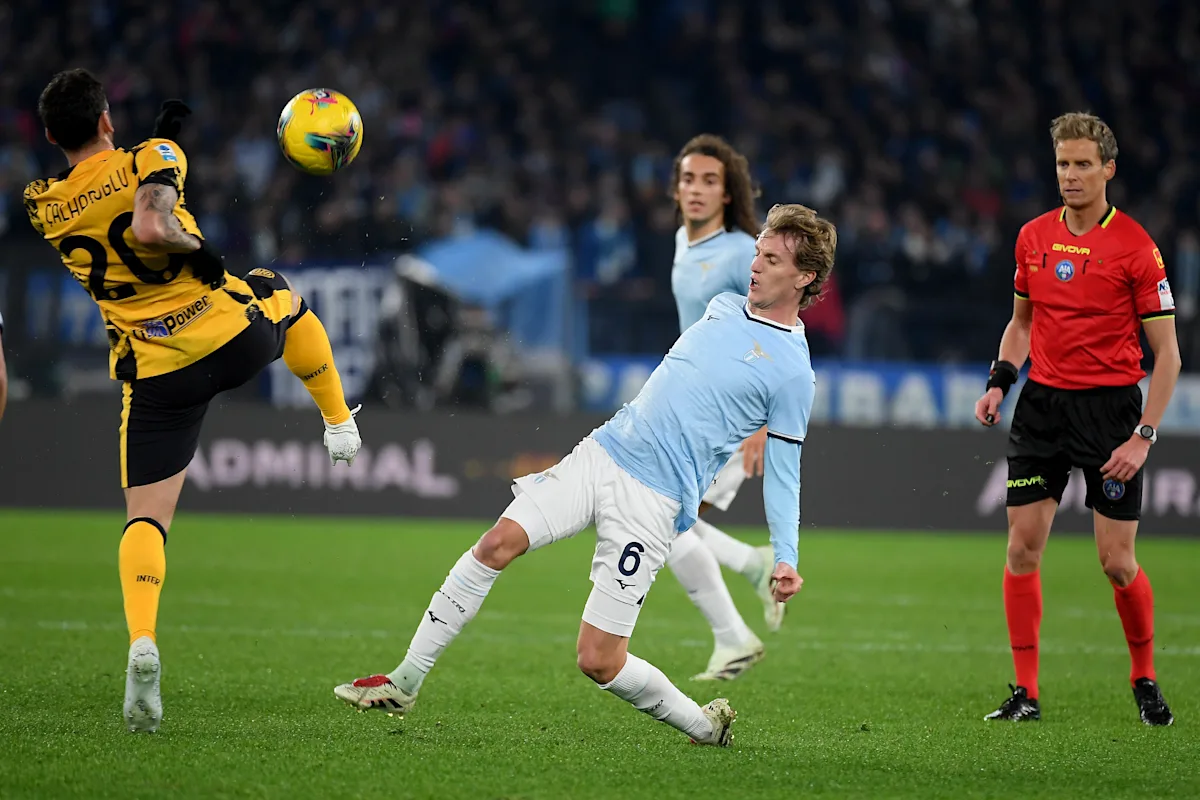
A high defensive line in Serie A is never just a stylistic choice. It reflects coaching intent, squad composition, and risk tolerance. When executed consistently, this approach compresses the pitch, increases tempo, and often produces match conditions that naturally favor higher goal totals. Understanding why certain teams persist with this structure is essential before treating it as an Over-betting signal.
Why a high defensive line changes goal probability
A defensive line positioned far from its own goal reshapes match dynamics.
The cause is aggressive space compression; the outcome is frequent transitional moments; the impact is a higher volume of clear chances at both ends. In Serie A, where tactical discipline is traditionally strong, teams that push their back line high introduce volatility that directly affects total-goals markets.
Tactical intent behind maintaining a high line
Teams rarely use a high line accidentally.
The underlying reason is control. By stepping up, teams aim to dominate territory and reduce opponent buildup time. The trade-off is exposure to runs in behind, which raises expected goals conceded even when possession numbers look favorable.
Player profiles that make the system viable
Before identifying indicators, it is important to understand that not every squad can sustain this structure.
Teams that succeed with a high line usually combine fast center-backs, proactive goalkeepers, and midfielders capable of counter-pressing immediately after possession loss. Without these profiles, the system collapses into pure defensive risk.
- Center-backs with recovery speed rather than aerial dominance
- Goalkeepers comfortable acting as sweepers
- Midfielders who close passing lanes within seconds
- Full-backs positioned high enough to pin wingers
Interpreting these elements together shows why such teams generate open matches. The same traits that enable territorial dominance also amplify exposure when the press is bypassed.
Statistical patterns that correlate with Over outcomes
Raw goals alone are misleading.
To evaluate whether a high line truly supports Over betting, analysts examine repeatable statistical patterns rather than isolated scorelines.
| Metric Pattern | Tactical Meaning | Betting Impact |
| High xG for and against | Open match flow | Elevated total goals |
| Frequent through balls conceded | Space behind defense | High-quality chances |
| High defensive actions per match | Aggressive pressing | Increased game tempo |
| Short average opponent possession | Quick transitions | Less game control |
These patterns confirm whether the structure consistently produces scoring opportunities rather than relying on finishing variance.
Opponent interaction with a high defensive line
The effectiveness of a high line is opponent-dependent.
When facing teams with pacey forwards or direct passing profiles, the cause becomes exploitation of space; the outcome is repeated breakaway chances; the impact is rapid scoreline movement. Against slower, possession-heavy sides, the same line may appear dominant without yielding goals.
Conditional scenario: when the high line stops favoring Overs
If an opponent lacks vertical threat or chooses deep defensive blocks, the match may stagnate. In these cases, a high line inflates possession but not goals, reducing its relevance for total markets.
Odds interpretation for high-line teams
From an odds interpretation perspective, the market often misprices defensive risk.
High-line teams are frequently labeled as “strong defensively” based on possession and territory. The cause is surface-level metrics; the outcome is conservative goal lines; the impact is hidden Over value when structural exposure is ignored.
Analytical reference within betting platforms
When observing teams that consistently defend high, comparing how betting environments reflect this risk becomes useful.
During odds evaluation, some platforms display static goal lines despite repeated matches showing elevated xG on both sides. In this analytical context, แทงบอล can be referenced as part of a broader market comparison, where bettors examine whether goal lines adjust meaningfully to tactical risk or remain anchored to league-wide averages. This observation-based reference supports interpretation rather than prediction.
Where the high-line logic breaks down
Even structurally aggressive teams face limits.
The cause is fatigue, rotation, or fixture congestion; the outcome is reduced pressing efficiency; the impact is fewer transitions and lower goal volume. When recovery speed drops or pressing coordination weakens, coaches often drop the line deeper, instantly changing match dynamics.
Summary
Serie A teams that defend with a consistently high line create match environments defined by tempo, space, and transition frequency. These structural traits often support Over betting when opponent profiles and market pricing align. However, the value disappears once tactical intent, personnel, or pressing intensity shifts, making contextual analysis essential before relying on the pattern.